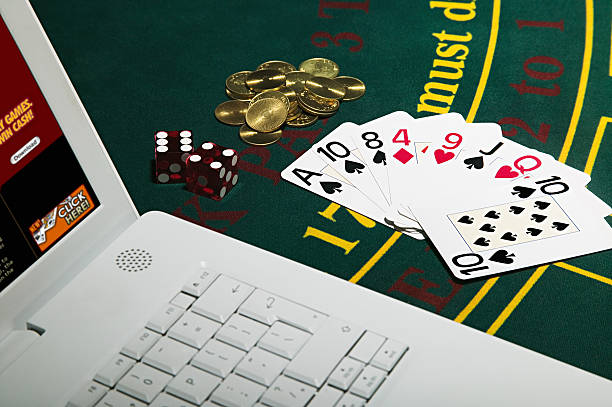
The Allure of Risk and Reward
The thrill of gambling often stems from the inherent risk and potential for substantial rewards it offers. This intricate interplay between risk and reward can create an adrenaline rush that many individuals find exhilarating. Anticipating a big win activates the brain’s reward system, releasing dopamine, the chemical associated with pleasure and satisfaction. The possibility of turning a modest bet into a life-changing sum can be incredibly appealing, drawing people back into the starcasino-online-pokies.com environment time and again, where hope and excitement mingle seamlessly.

This journey into uncertainty and potential fortune serves as a powerful motivator for gamblers. Players often weigh the excitement of the gamble against the possible losses, leading them to take risks they might avoid in other areas of life. The dream of hitting the jackpot or experiencing a significant win creates a sense of hope and possibility, encouraging even casual players to engage in betting activities. More than just monetary stakes, the emotional rollercoaster associated with gambling—filled with joy, disappointment, and everything in between—adds depth to the experience.
The psychological concept of ‘loss aversion’ plays a crucial role in determining gambling behavior. People naturally prefer avoiding losses over acquiring equivalent gains, leading to a dynamic where the fear of losing compels players to gamble more in an attempt to recover lost bets. This cycle of chasing losses can lead to irrational decision-making, particularly when the environment of casinos is designed to keep players engaged. It’s a fascinating dichotomy: players are drawn to one of the most uncertain experiences, while simultaneously clinging to the desire to win, reflecting the complex relationship individuals have with risk and reward.
The Social Aspect of Gambling
Casinos are meticulously designed to be social spaces, allowing individuals to engage in games with others, whether they are friends, family, or even strangers. This communal aspect adds significant enjoyment to the overall gambling experience. Many players thrive on the energy of the crowd, finding a sense of camaraderie in shared triumphs and defeats. Games like poker or blackjack particularly highlight this social interaction, where players often converse and build connections around the table, enriching the atmosphere of competition and collaboration.
Moreover, social interactions foster a sense of belonging and community among the participants. For many, a visit to a casino transcends mere gambling; it becomes an opportunity to enjoy an evening out. The laughter, cheers, and collective groans from fellow players create an electrifying atmosphere that contributes to social bonding. From celebratory drinks to exchanging strategies with other players, the social dynamics enhance the overall experience, transforming solitary gambling into a memorable event filled with shared experiences.
Additionally, the thrill of competition—whether against other players or the house—can significantly enhance the enjoyment of gambling. This competitive edge evokes a sense of challenge, motivating players to test their skills and luck in a dynamic environment. Friendly rivalries often develop, further elevating the excitement of the games. The blend of competition and social interaction is a major factor in why many people are drawn to casinos, contributing to their enduring popularity and status as social hubs for entertainment.
The Design and Atmosphere of Casinos
The ambiance of a casino is a critical factor in attracting and retaining gamblers. With bright lights, captivating sounds, and strategically engineered layouts, casinos are crafted to enhance the gambling experience. This immersive environment generates a sense of excitement and urgency, encouraging players to stay longer and spend more. The calculated use of color, sound, and even scent creates a euphoric atmosphere that keeps gamblers engaged, making it difficult for them to resist the allure of the games.
Furthermore, the intentional absence of clocks and windows in many casinos contributes to a sense of timelessness, allowing players to lose track of time. This design choice is purposeful, as it encourages individuals to remain immersed in the gambling experience without the external distractions of the outside world. The longer players stay, the more likely they are to gamble, highlighting the psychological tactics at play in casino settings, which are designed to maximize time spent and funds wagered.
The strategic placement of games is another key element of casino design. High-traffic areas are typically filled with visually enticing slot machines, as they are easy to play and draw in attention. In contrast, table games require more skill and interaction but are placed in ways that attract crowds. This thoughtful arrangement keeps players moving throughout the space, often leading to spontaneous gambling activities. The combination of sensory stimulation and strategic design not only creates an engaging environment but also taps into fundamental psychological principles that enhance the attraction of casinos.
The Impact of Technology on Gambling Psychology
The rise of technology has dramatically transformed the landscape of gambling, making it more accessible and appealing to a broader audience. Online casinos and mobile gaming applications have brought the gambling experience directly to players’ fingertips, enabling them to gamble from the comfort of their homes or even on the go. This convenience often leads to an increase in impulsive betting behaviors, as players can easily access their favorite games at any time, blurring the lines between casual play and compulsive gambling.
Moreover, technology has introduced innovative gaming options that resonate with a younger demographic of players. Gamified elements, such as loyalty rewards, interactive features, and adaptive difficulty levels, engage players on an emotional level, making the experience more dynamic and enjoyable. The integration of social media allows players to share their experiences, amplifying their sense of community and connection, even in a virtual environment. This tech-savvy approach to gambling reshapes the traditional notions of engagement and interaction in gambling settings.
Consequently, the role of technology in gambling psychology is profound. Features like real-time statistics, interactive game elements, and immersive virtual reality experiences heighten players’ engagement and excitement. As technology continues to evolve, understanding its psychological impact on gambling behavior becomes increasingly important, especially as it shapes how individuals perceive risk, reward, and the overall gambling experience. The intersection of technology and gambling psychology is a field of ongoing exploration that holds implications for both players and the industry at large.
Exploring Responsible Gambling and Awareness
As the popularity of gambling continues to grow, so does the imperative for responsible gaming practices. Understanding the psychology behind gambling is essential for fostering awareness about its potential risks. Stakeholders, including casinos and regulators, emphasize the importance of education and support systems aimed at helping individuals recognize problematic gambling behaviors and seek assistance when needed. This proactive approach ensures that the enjoyment of gambling does not come at the expense of personal well-being.
Efforts to promote responsible gambling involve educating players about the signs of addiction, the significance of setting limits, and recognizing when it’s time to step back. Creating a safe environment where players can make informed choices regarding their gambling habits is crucial in reducing the prevalence of gambling-related issues. By cultivating a culture of awareness and responsibility, casinos can contribute positively to the communities they serve, promoting healthy entertainment without detrimental consequences.
Ultimately, the goal is to balance the enjoyment of gambling with a conscious awareness of its potential risks. Encouraging players to be mindful of their gambling habits fosters a healthier relationship with gaming. Awareness campaigns and support resources empower individuals to make informed decisions, ensuring that gambling remains a form of entertainment rather than a source of distress or financial hardship. This holistic approach to gambling encourages a sustainable and enjoyable experience for everyone involved.